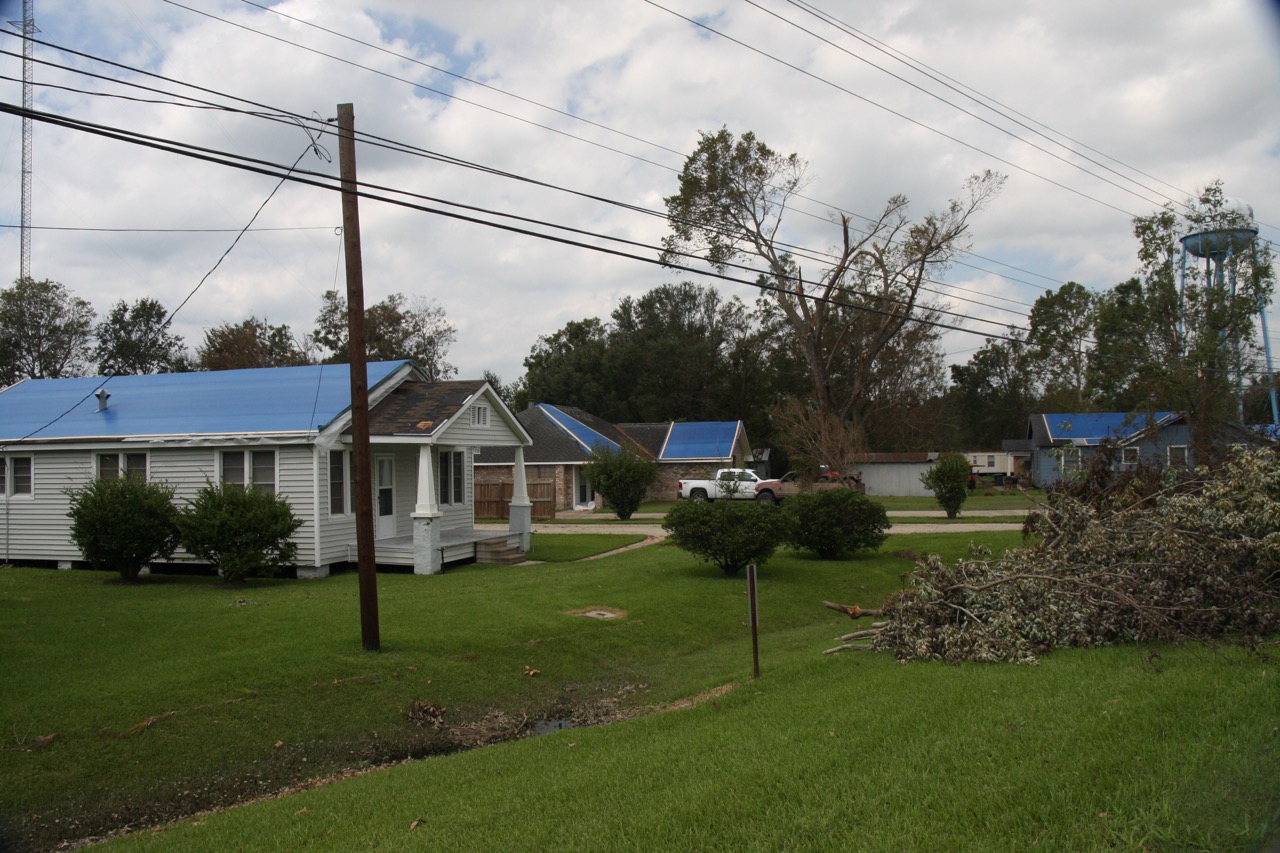
Storm season in Metro Atlanta is less a season than a schedule. Severe thunderstorms roll across Gwinnett County from March into early summer, slow-moving downpours stall over neighborhoods through July and August, and every few years the remnants of a Gulf or Atlantic hurricane track over north Georgia and rain on Duluth for a day straight. Most of the damage these storms do to homes follows the same pattern — wind opens something up, and water follows it in. Here is how that happens, and what to do in the first hours afterward.
What Metro Atlanta’s Storm Season Actually Looks Like
North Georgia sits in a humid subtropical climate that manufactures thunderstorms all summer long. The spring severe-weather season — roughly March through May — brings the strongest storms of the year, with damaging straight-line winds, hail, and the occasional tornado warning. Summer trades organized storm systems for pop-up thunderstorms that can drop two inches of rain on Suwanee while Snellville stays dry. Then, from late August into October, tropical remnants push inland and deliver long, soaking wind-and-rain events, with a quieter second severe season in November. In practical terms, a Gwinnett County home spends most of the year within a few days of its next hard storm.
Straight-Line Winds Do Most of the Damage
When homeowners in Lawrenceville or Peachtree Corners find the yard full of limbs, they often assume a tornado came through. Far more often it was straight-line wind — a downburst of rain-cooled air that slams into the ground and spreads out at 60 to 80 miles per hour. That is more than enough to lift shingle tabs, peel back flashing, snap pine limbs onto roof decking, and drive rain sideways into siding, soffits, and window seals that never see water in an ordinary shower.
How Storm Water Gets Into Your Home
- Roof punctures: a falling limb does not need to be big to crack decking or punch through shingles.
- Lifted shingles and flashing: wind peels the protection back for a moment, and water needs only that moment.
- Wind-driven rain: horizontal rain finds gaps in siding, window seals, and soffit vents that vertical rain never touches.
- Overwhelmed gutters: clogged or overflowing gutters send sheets of water down the fascia and into wall cavities.
- Ground flooding: Georgia’s dense red clay drains slowly, so heavy rain pools against the house and finds its way into basements and crawl spaces.
What to Do First After the Storm Passes
- Check for hazards before damage. Stay clear of downed power lines, sagging ceilings, and any room where water may have reached outlets or fixtures.
- Slow the spread inside. Put containers under active drips, move furniture and electronics out of the wet zone, and pull rugs off soaked flooring.
- Document everything. Photograph and video the damage — roof, ceilings, walls, floors, belongings — before anything is moved or repaired. Your insurance adjuster will ask for it.
- Get the roof tarped fast, but not by you. A wet roof with hidden punctures is no place to walk. Emergency tarping crews do this safely and properly.
- Start the dry-out within 24 hours. Wet insulation, drywall, and framing begin developing bacterial growth and wood rot within a day or two.
Why Tarping Cannot Wait for the Adjuster
In an active weather pattern, the next band of rain may be only hours behind the first, and every re-wetting pushes moisture deeper into the structure. Your policy almost certainly expects you to take reasonable steps to prevent further damage, and emergency tarping is exactly that — it protects the claim as well as the house. Keep the receipts; mitigation costs are typically part of the claim.
When to Call a Restoration Professional
If water reached your attic, ceilings, wall cavities, or flooring, drying it takes more than a few box fans — it takes extraction, moisture mapping, and monitored structural drying. That is the core of professional storm damage restoration: tarping, water removal, drying, and repairs handled in the right order by one team. And if the water rose from outside instead of falling through the roof — a creek out of its banks, a flooded street, water pouring through window wells — that is a different kind of loss with added contamination concerns, which is where flood damage restoration comes in.
Storm Damage Help Across Gwinnett County and Metro Atlanta
Viking Restoration responds 24/7 from Duluth with emergency tarping, water extraction, structural drying, and repairs for homeowners across Gwinnett, Cobb, and DeKalb counties. When the storm passes and you find water where it should not be, call (470) 567-1284 or send us a message — the first few hours decide how big the job gets.