In a Gwinnett County summer, your air conditioner works a double shift every day — and a system running that hard pulls gallons of water out of the air, all of which has to drain somewhere. When a condensate line clogs, a drain pan rusts through, or an attic air handler starts dripping onto the ceiling below, that quiet trickle turns into real water damage. Because HVAC leaks hide in closets, attics, and utility spaces, they are often discovered weeks late. Viking Restoration tracks down the full spread of the moisture, dries the structure properly, and documents everything for your insurance claim, serving Duluth and all of Metro Atlanta.
How HVAC Systems Cause Water Damage, and Why Small Leaks Grow
The most common culprit is the condensate drain: algae and debris build up in the line, the line backs up, and the drain pan overflows — sometimes into a hallway closet, sometimes into the attic insulation above a bedroom. Metal pans rust through with age, water heaters and furnace-adjacent lines seep quietly into subfloors, and an upstairs air handler can stain and sag a ceiling before anyone notices. A water stain the size of a dinner plate often marks a much larger wet area hiding above it.
Slow leaks deserve fast responses precisely because they have a head start. Moisture that has been wicking into subfloor and framing for weeks causes swelling, delamination, and secondary structural damage that a box fan and a weekend cannot fix — the same reasons professional water damage cleanup exists in the first place. There is an insurance angle too: adjusters treat a sudden discharge differently from long-term seepage, so thorough moisture mapping and photos, taken early, help tell the accurate story of what happened and when.
Our HVAC Water Damage Cleanup Process
Step 1: Inspection and Moisture Mapping
We trace the leak to its source and use moisture meters to map exactly how far water has traveled through ceilings, walls, and floors — including areas that look perfectly dry.
Step 2: Source Control and HVAC Coordination
We stop the water at the system and coordinate with your HVAC contractor on the equipment repair, so the mechanical fix and the drying happen in the right order.
Step 3: Removal of Damaged Materials
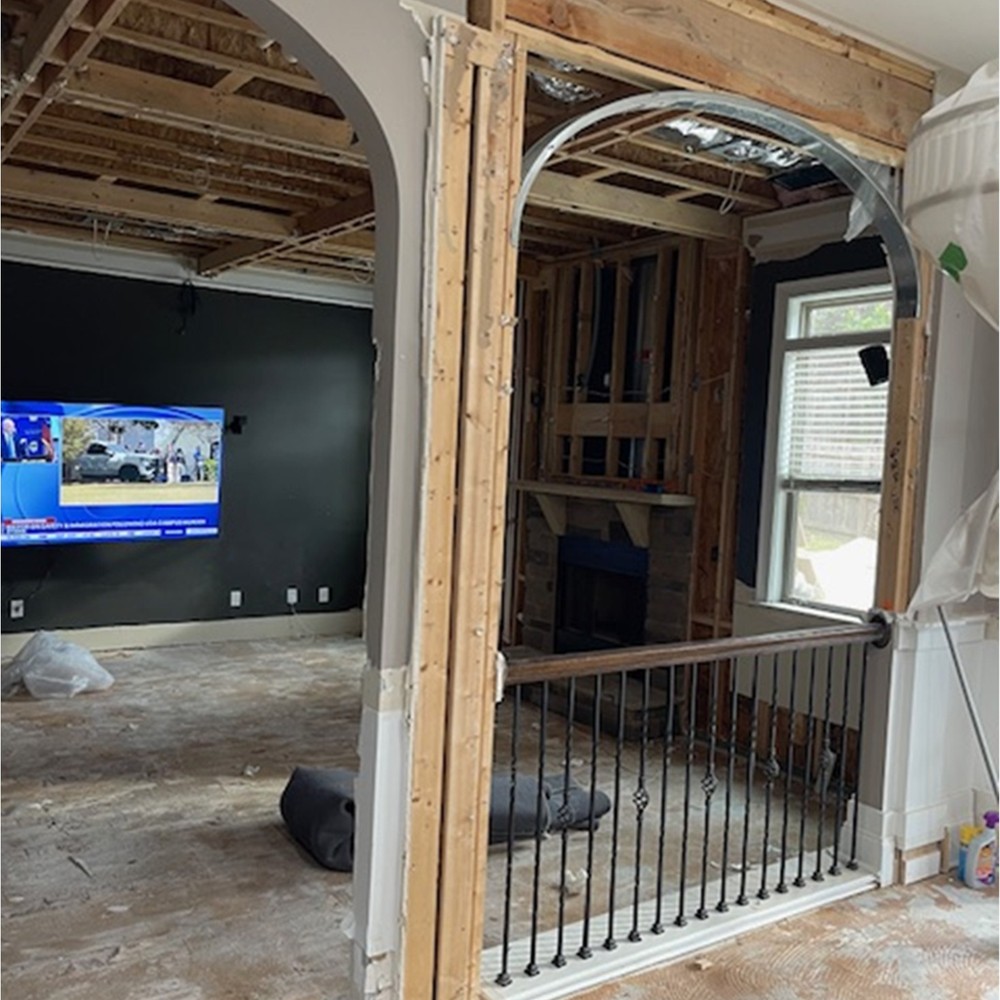
Sagging ceiling drywall, soaked insulation, and buckled flooring are removed, photographed, and itemized for your claim.
Step 4: Drying and Dehumidification
Air movers and dehumidifiers dry the affected cavities and structure to verified normal moisture levels, confirmed with meter readings over consecutive days.
Step 5: Repairs and Reconstruction
We replace the drywall, insulation, and finishes the leak ruined — up to full reconstruction where a ceiling or floor needs rebuilding — so one team carries the job from wet to finished.
Why Choose Viking Restoration for HVAC Water Damage in Duluth, GA
- 24/7 response for active leaks and overflowing drain pans
- Moisture mapping that finds the hidden damage, not just the visible stain
- Documentation and photos that support your insurance claim
- Drying, repairs, and rebuild handled by one team
- Licensed and insured, locally owned and operated in Duluth
- Serving Gwinnett, Cobb, and DeKalb counties across Metro Atlanta
If you spot a fresh ceiling stain under an attic unit, water pooling around the air handler closet, or a drain pan holding more water than it should, shut the system off and call Viking Restoration at (470) 567-1284 — we serve homes from Suwanee to Peachtree Corners and across Metro Atlanta — or send us a message and we will call you back. Catching an HVAC leak a week earlier routinely saves an entire ceiling.